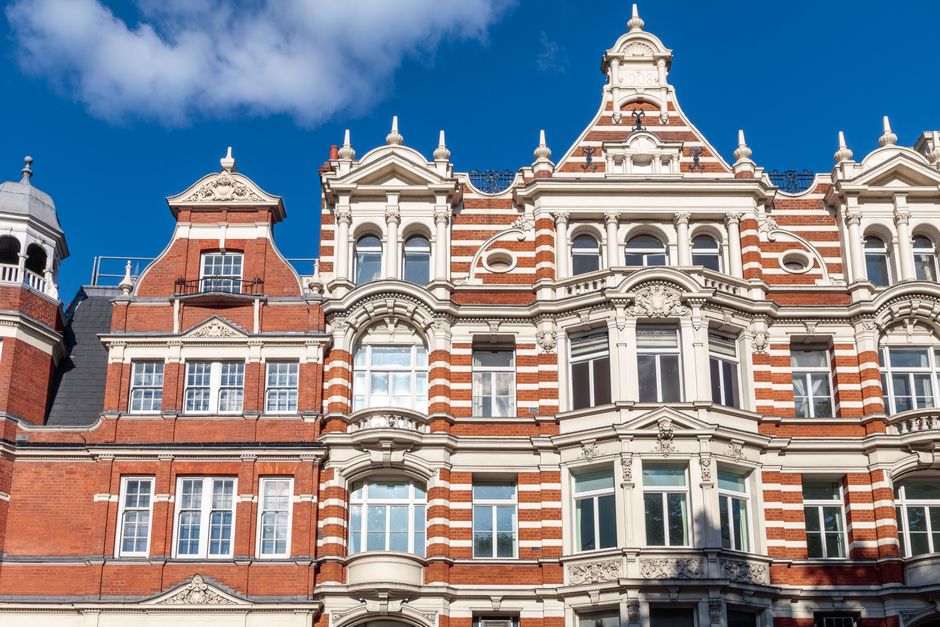
Listed building moving rules for Mayfair homes
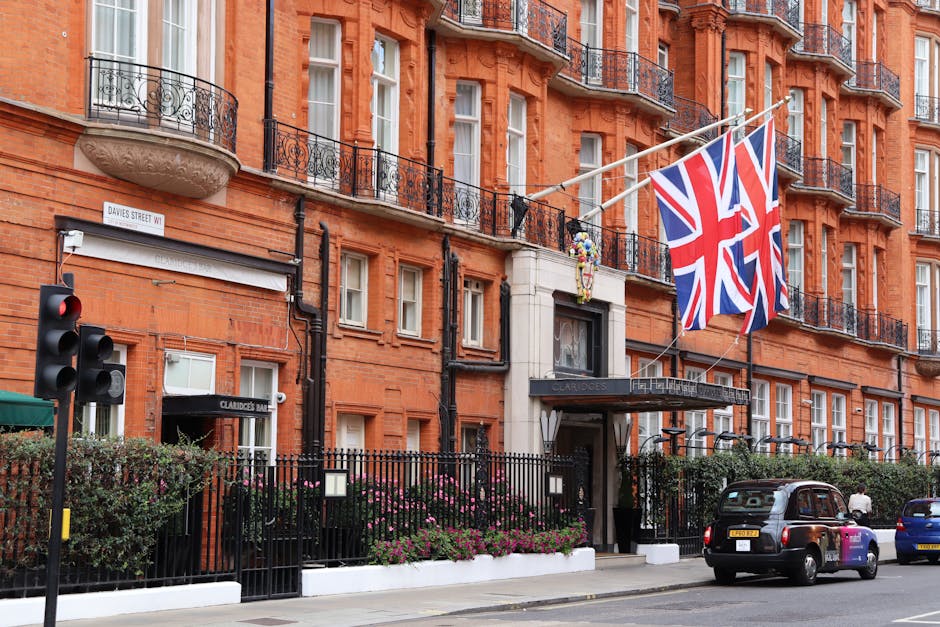
If you are moving in or out of a listed property in Mayfair, the job is rarely just about boxes, vans, and keys. The listed building moving rules for Mayfair homes can shape everything from how a sofa is carried through the hallway to whether a protective covering is allowed on a staircase. In a district like Mayfair, where period features, tight access, and conservation expectations often overlap, moving day needs a little more thought than usual. Truth be told, that extra planning can save a lot of stress.
This guide explains the practical side of moving a listed home in Mayfair: what the rules usually affect, how to plan the move properly, which mistakes create problems, and how to stay respectful of the building while still getting the job done efficiently. If you are arranging a full house move, a smaller removal, or just coordinating fragile furniture, you will find the key points here in plain English.
Why Listed building moving rules for Mayfair homes Matters
Listed buildings are protected because of their special architectural or historic interest. That simple idea has very real consequences on moving day. A narrow staircase with a polished banister, a decorated cornice, a delicate sash window, or a stone threshold can all be vulnerable if you treat the move like a standard modern-flat relocation.
In Mayfair, many homes sit in buildings where original features matter just as much as the contents being moved. A scratch on a wall may be annoying in any property. In a listed one, it can become a bigger issue because repairs may need to match historic materials and methods. That is why the rules matter. They are not there to make life awkward; they are there to stop avoidable damage and preserve the character of the property.
It also matters because listed homes often involve additional people in the process: building managers, neighbours, freeholders, conservation officers, insurers, and specialist removal teams. If one part of the chain is not briefed, the whole move can slow down. And no one wants a van waiting outside while someone upstairs realises the lift lining needs protection. We've all seen how quickly one tiny oversight can turn into a faff.
For many households, the biggest benefit is simply peace of mind. You know what is allowed, what needs approval, and what should be avoided. That clarity helps reduce last-minute arguments and gives everyone a safer, calmer moving day.
How Listed building moving rules for Mayfair homes Works
The rules themselves are usually a mix of statutory listed-building protection, building-specific requirements, leasehold conditions, and practical site rules. In other words, you are not just dealing with one set of instructions. You may have to follow the law, the building's own policies, and the expectations of the managing agent all at once.
At a practical level, the process usually works like this:
- Check the building status. Confirm that the property is listed and understand whether the interior, exterior, or both are protected.
- Review move restrictions. Some buildings limit moving hours, require advance notice, or insist on lift bookings and corridor protection.
- Assess access. Look at stair width, doorway clearance, ceiling height, parking, and loading points before the moving team arrives.
- Plan protection. Use suitable floor coverings, corner guards, blankets, and door protection where permitted.
- Coordinate with building contacts. Make sure concierge, porterage, or management teams know timings and vehicle details.
- Move carefully. Handle historic surfaces with more care than you would in a standard property, especially around original plaster, woodwork, and stone.
- Document issues if needed. If something is already damaged or feels too tight to move through safely, flag it before forcing the issue.
One thing to remember: listed status does not automatically ban moving furniture or living in the building. It usually affects how the move is done. That distinction matters. You are often allowed to move in a normal sense, but you may need to do it with tighter controls and a more respectful approach.
If you are arranging a broader home relocation, services such as home moves or a flexible man with van option can be helpful, provided the team understands how to work around heritage-sensitive spaces.
Key Benefits and Practical Advantages
There is a proper upside to following listed-building moving rules carefully. It is not just about avoiding a telling-off or keeping the neighbours happy, though those are useful too.
- Less risk of damage: Historic surfaces are harder and more expensive to repair, so good planning helps prevent unnecessary harm.
- Smoother access: When timings, lift use, and loading permissions are sorted in advance, moving day tends to run more quietly.
- Better protection for the contents: Fragile furniture, antiques, mirrors, and heavy objects are less likely to be rushed or forced through tight spaces.
- Reduced neighbour disruption: In Mayfair, that is a real benefit. A calm, tidy move is much easier to live with than repeated door slams and blocked hallways.
- Stronger insurance position: Clear records, careful handling, and proper access arrangements can support any claim or dispute if something does go wrong.
- Less stress on the day: To be fair, once the paperwork and protection are in place, the actual move feels far more manageable.
For older properties, the benefits are even more obvious. You are dealing with homes that may have uneven floors, original joinery, or fragile decorative finishes. A little prep keeps the whole process orderly and can stop a small job becoming a much bigger headache.
Who This Is For and When It Makes Sense
This topic matters to a fairly wide group of people. You may be a homeowner leaving a mansion flat, a tenant moving into a period apartment, a landlord preparing a sale, or an interior designer bringing in furniture for a refit. If there is a listed element involved, you need to think carefully about the move.
It also makes sense for:
- people moving large or awkward furniture through narrow entrances
- families relocating from multi-storey period homes
- anyone using building lifts, shared corridors, or basement access
- occupiers who need to move appliances, artwork, or expensive items
- agents or property managers coordinating a handover
If your property is in Mayfair and the access is already tight, you should assume the move needs extra planning even before anyone mentions listed-building controls. A home on a quiet street might still have loading restrictions, basement stairs, or a porter who needs notice before a van arrives. Small detail, big difference.
If you only need help moving a few items rather than an entire house, a man and van style service may suit lighter moves, while larger or more complex homes may call for house removalists or a moving truck with the right protection equipment.
Step-by-Step Guidance
Here is the practical version. No drama, no fluff. Just the sequence that tends to work best.
- Confirm the property's listed status. Ask whether the whole building, the exterior, or specific interior features are protected.
- Speak to building management early. Check whether there are moving windows, booking requirements, or lift reservations.
- Measure access properly. Door widths, stair turns, lifts, parking space, and any sharp internal corners all matter.
- Identify fragile areas. Look out for original flooring, plaster, bannisters, wood panelling, and decorative ceilings.
- Choose the right moving method. A small flat move and a full family home move are not the same thing, obviously, and the equipment should match.
- Prepare protective materials. Floor runners, padded blankets, corner guards, and straps should be ready before furniture starts moving.
- Separate items that need specialist handling. Appliances, heavy wardrobes, and delicate antiques may need different packing or lifting methods.
- Brief everyone involved. The moving team, the building contact, and anyone helping at either end should know the plan.
- Keep the route clear. Hallways, entrances, and landings should be free of clutter. One stray lamp or shoe rack can trip people up.
- Inspect before and after. Check high-risk surfaces and note anything that needs attention straight away.
That is the clean version. The real world may have an extra wrinkle or two, because moving day always does. But if the plan is solid, the rest usually follows.
Expert Tips for Better Results
These are the small things that tend to make the biggest difference in listed Mayfair homes.
- Use the slow route, not the obvious route. Sometimes a slightly longer path through the property is safer than trying to force furniture around a tight bend.
- Wrap before you carry. Waiting until you are already at the doorway is too late.
- Keep a "do not move" corner. Put valuables, keys, documents, and fragile pieces somewhere safe and separate. It sounds basic, but it works.
- Check lift dimensions with the doors open. People often measure the car and forget the opening. That is where things catch.
- Protect the building first, then speed up the load. Rushing before protection is in place is a classic mistake.
- Take photos of any existing marks. Not because you expect trouble, but because a clear record is sensible.
One more thing: in older London buildings, silence can be useful. If you are moving at awkward hours or through shared areas, less noise feels more respectful. You hear the scrape of a trolley on stone and suddenly everyone remembers there are other people living here. A little courtesy goes a long way.
If you want extra help with the packing side of a heritage move, packing and unpacking services can reduce handling errors and speed up the day without turning it into a rush job.
Common Mistakes to Avoid
People usually do not get into trouble because they are careless on purpose. It is more often a planning issue. Here are the usual culprits.
- Assuming a normal house move approach will work. A listed townhouse or mansion flat needs more care.
- Leaving permissions until the last minute. Building managers and porters need notice. Sometimes more notice than you hoped.
- Ignoring narrow access points. A wardrobe that looks fine in the room may be impossible on the stairwell.
- Using the wrong equipment. Not every job needs the same van, trolley, or lift plan.
- Forgetting about parking and loading. In central London, that can be the part that causes the most delay.
- Not checking insurance and safety arrangements. If the building is sensitive, you want everyone on the same page.
- Moving without enough protection for floors and walls. A polished corridor can show every scuff in daylight. Annoying, yes, but also avoidable.
A slightly less obvious mistake is overpacking boxes so they become awkward to lift through a tight landing. Heavy boxes and historic stairs do not mix well. Really, they don't.
Tools, Resources and Recommendations
You do not need a truck full of fancy gear, but a few practical tools help a lot.
- Measure tape: for doors, lifts, stair widths, and awkward corners.
- Protective blankets and wraps: ideal for tables, mirrors, and polished furniture.
- Floor protection: useful on timber, stone, and carpeted routes.
- Corner guards and door pads: simple, low-tech, and very effective.
- Labels and room notes: especially helpful when packing is done in stages.
- Inventory list: not glamorous, but very useful for larger moves.
From a service perspective, it helps to choose a provider that understands the difference between standard removals and sensitive property work. If your move includes a larger vehicle, removal truck hire may be the right fit. If the move is more commercial or mixed-use, you may also want to look at commercial moves or office relocation services where building control and access coordination matter just as much.
If you are sorting out unwanted items before the move, the site's guidance on recycling and sustainability can help you decide what should be reused, recycled, or removed responsibly. For bulky furniture, furniture pick-up may be a practical route. It keeps the property less cluttered, which is always a bonus in a listed building.
Law, Compliance, Standards and Best Practice
Listed-building rules are shaped by UK heritage protection principles, but the exact requirements can vary depending on the property and the people managing it. So the safest approach is to treat each move as site-specific. Do not assume that because one Mayfair building allowed a certain route, the next one will too.
In practice, compliance often means:
- respecting the listed status of the property and any protected features
- following lease or building management conditions
- using safe moving methods that reduce the risk of damage
- keeping clear communication with everyone involved
- ensuring the moving team understands insurance and safety expectations
Best practice usually goes a bit further than the bare minimum. It means checking details before lifting anything, protecting routes properly, and avoiding rushed decisions. It also means recognising when an item is too awkward or risky to move the standard way. Sometimes the sensible answer is to pause, rethink, and choose a different route or method.
If you are disposing of items as part of the move, make sure the process stays compliant too. For example, appliances may need specific handling, and anything potentially risky should not simply be left in a communal area. Services such as fridge and appliance removal or hazardous waste disposal are relevant where appropriate. For soft furnishings, mattress and sofa disposal may be the cleaner option.
And yes, paperwork matters. Terms, payment, and insurance all play a part in a reliable move, which is why it is sensible to review insurance and safety, payment and security, and the terms and conditions before the day arrives.
Options, Methods and Comparison Table
There is no single right way to move a listed home in Mayfair. The right choice depends on access, volume, and how delicate the property is. Here is a simple comparison.
| Method | Best for | Strengths | Watch-outs |
|---|---|---|---|
| Man and van | Smaller moves, a few rooms, lighter loads | Flexible, quick to arrange, often practical in central London | May be limited for very large or fragile property moves |
| House removalists | Full home moves, multi-room properties, heavier items | More structured, better for complex packing and carrying | Needs stronger planning for access and timings |
| Moving truck | Moves with larger volumes or bulkier furniture | Better capacity and loading space | Parking, access, and route planning become more important |
| Packing and unpacking support | Fragile contents, busy households, time-sensitive moves | Reduces handling mistakes and saves time | Should still be matched to the building's protection needs |
In many Mayfair cases, a blended approach works best. For example, a careful packing service plus a smaller vehicle may be better than one oversized truck trying to force a difficult route. That kind of judgement call saves time and bruised edges. Literally.
Case Study or Real-World Example
Imagine a couple moving out of a listed maisonette near a busy Mayfair street. The property has a narrow staircase, an original bannister, and a landing with very little turning space. There is also a lift, but it is small and needs advance booking. A standard "turn up and load" approach would be a bad idea.
Instead, the move is planned in stages. The team measures the largest furniture in advance, books the lift, and protects the hallway and stair edges before any items are moved. Fragile items are packed separately. The heaviest wardrobe is dismantled, then reassembled at the new address. A couple of bulky items that no longer suit the new home are removed beforehand, which opens up space and reduces pressure on moving day.
The result? Fewer awkward turns, less noise, no scraped walls, and a calmer handover. Not glamorous, but very effective. The residents still had a long day, of course, but the stressful bits were kept under control. That matters more than people think.
Practical Checklist
Use this before moving day. It is simple, but it covers the essentials.
- Confirm the property's listed status and any special restrictions
- Check building management rules for move times and access bookings
- Measure doors, stairs, lifts, and parking/loading access
- Identify fragile or historic surfaces that need protection
- Decide which items need dismantling, specialist handling, or removal
- Arrange protective materials for floors, walls, doors, and furniture
- Brief everyone involved on timing, access, and responsibilities
- Keep valuables, documents, and essentials separate
- Photograph any pre-existing marks or problem areas
- Review insurance, payment, and service terms before the move
If the property has a lot of clutter or you are clearing out items before the move, you may also want to look at what can go in a skip so you can separate removals from waste disposal properly.
Get a free quote today and see how much you can save.
Conclusion
Listed building moving rules for Mayfair homes are really about respect, planning, and precision. They protect the property, protect the contents, and protect everyone's sanity on moving day. In a place like Mayfair, where historic homes and busy city logistics meet, that combination is especially useful.
The best moves are not the loudest or the fastest. They are the ones that feel controlled, considerate, and well thought through from the start. If you do the measuring, book the access, use the right protection, and brief the team properly, the whole process becomes much more manageable. And that is what most people want, really: fewer surprises, fewer scuffs, and a move that lets the home keep its character intact.
When you are ready, work with a team that understands both the practical side of removals and the care expected around heritage properties. It makes the day easier, and honestly, it makes the whole thing feel less like a battle with boxes. Just a move. A well-handled one.
Frequently Asked Questions
Do listed building moving rules stop me from moving home in Mayfair?
No, not usually. The rules generally affect how the move is carried out, not whether you can move at all. You may need to follow building access rules, protect historic features, and avoid damaging original surfaces.
What is the biggest risk when moving in a listed Mayfair property?
Damage to historic features is the main risk. That can include walls, banisters, floors, door frames, and decorative plasterwork. Access problems and neighbour disruption are also common issues.
Do I need permission to move furniture in a listed building?
Usually you need building or management approval for the move itself, especially if lifts, loading bays, or communal areas are involved. In some cases, special arrangements are needed for large or awkward items.
Can a removal team use the lift in a listed property?
Sometimes yes, but it depends on the building's rules and the lift size. Many managed buildings need lift booking in advance and may require protection inside the lift before use.
What should I do before moving day in a listed home?
Measure access, check building rules, identify fragile areas, arrange protective coverings, and tell the moving team about any tight turns or sensitive finishes. Early planning is everything here.
Are protective floor coverings allowed in listed buildings?
Often yes, but they should be suitable for the building and used carefully. Some surfaces may need specific types of protection, especially if the floor is original or delicate.
Is it better to use a man and van or a full removal service?
That depends on the size of the move. A smaller job may suit a man and van service, while larger or more complex moves often benefit from house removalists or a moving truck with better capacity and planning.
What if my furniture will not fit through the staircase?
Then it may need dismantling, a different route, or specialist handling. Forcing it through is not worth the risk, especially in a listed property where damage can be costly and awkward to repair.
How do I reduce the chance of damage during the move?
Use proper wrapping, corner protection, floor coverings, and measured route planning. Keep the paths clear and make sure the team knows which areas are most fragile. Slow is often safer than fast.
Should I arrange packing help for a listed building move?
If the home has fragile items, antiques, or a lot of awkward contents, yes, packing support can help. It reduces handling errors and makes the move more controlled, which is a real advantage in older properties.
What happens if there is already damage in the building?
Take photos before the move and report it to the relevant building contact if needed. A clear record helps prevent confusion later, especially where narrow hallways and historic finishes are involved.
Can I get rid of bulky items before moving?
Yes, and it often makes sense. Clearing out unwanted furniture, appliances, or mattresses can simplify access and reduce the amount of handling needed on moving day. Services like furniture pick-up or appliance removal can help where appropriate.